Corwin Motors Kalispell Chevrolet

Blog

Is the Chevrolet Equinox a 5-Seater or 7-Seater?

The Chevrolet Equinox is a 5-seater SUV. It does not come in a third-row or 7-seat version in any model year.

When shopping for an SUV, passenger capacity is one of the most important factors to consider. Some families need a vehicle that can carry seven or eight passengers, while others prefer a more compact SUV that offers extra space for cargo and comfort. The Chevrolet Equinox firmly belongs in the latter category.

Interior Seating Layout

The Equinox’s interior is designed with everyday comfort and practicality in mind:

  • Front Row: Two bucket seats with adjustable headrests. Higher trims offer power-adjustable driver and passenger seats, heating, ventilation, and lumbar support.

  • Second Row: A 60/40 split-folding bench seat for three passengers. The split design allows one section to fold flat while the other stays up, creating flexible cargo arrangements.

  • Passenger Capacity: 5 passengers total, including the driver.

Because there is no third row, the Equinox provides generous legroom and headroom for rear passengers, making it an ideal option for small families or those who often transport adult passengers.

Why the Equinox Isn’t a 7-Seater

The Chevrolet Equinox is classified as a compact SUV, a segment known for maneuverability, fuel efficiency, and ease of parking. Adding a third row to a vehicle in this size category would mean:

  • Reduced Cargo Space: The rear storage area would shrink dramatically to make room for extra seats.

  • Cramped Third Row: In a compact SUV, a third row would offer limited legroom, making it uncomfortable for adults on long drives.

  • Heavier Vehicle Weight: This could negatively impact fuel economy and handling.

Chevrolet instead focuses the Equinox on being a spacious and comfortable two-row SUV with excellent cargo space for its size.

Need More Seats? Here Are Your Chevy Options

If your lifestyle demands seating for seven or more, Chevrolet offers larger SUVs that include a third row:

  • Chevrolet Traverse â€“ A midsize SUV with three rows and seating for up to 8 passengers. Ideal for families who need more space but still want a vehicle that’s easier to drive than a full-size SUV.

  • Chevrolet â€“ A full-size SUV offering seating for 7 to 9 passengers, with powerful towing capacity and abundant cargo room.

  • Chevrolet Suburban â€“ The largest Chevy SUV, offering maximum passenger capacity and storage for big families or those needing extra gear space.

Passenger Comfort in the Equinox

Without a third row, the Equinox dedicates more room to second-row passengers than many compact SUVs with an optional third row.

  • Rear Legroom: 39.9 inches

  • Rear Headroom: About 38.5 inches

  • Seat Recline: Rear seats can recline slightly for added comfort.

This generous space means adults can sit comfortably in the back seat, and child car seats can be installed without crowding the front seats.

Cargo Space & Storage Features

The Equinox is also practical when it comes to cargo:

  • Behind Second Row: About 29.9 cubic feet. This is enough for groceries, strollers, sports gear, or luggage.

  • With Rear Seats Folded: Expands to 63.9 cubic feet making it ideal for road trips, DIY projects, or camping equipment.

Other handy storage features include underfloor compartments, seatback pockets, and large door bins.

Performance & Driving Experience

While seating capacity might be the first factor for some buyers, driving comfort and performance matter too. The Equinox offers:

  • Smooth ride quality for city and highway driving.

  • Available all-wheel drive for better traction in snow or rain.

  • Fuel efficiency around 26–31 mpg, depending on configuration.

Its compact size makes it easier to park and maneuver in urban settings compared to a large 7- or 8-seat SUV.

Who Should Choose the Chevy Equinox?

The Equinox is a smart choice if you:

  • Have 1-4 passengers regularly and want them to ride in comfort.

  • Need flexible cargo space without moving to a bulky full-size SUV.

  • Prioritize fuel efficiency over maximum seating.

  • Live in a city or suburb where parking space is limited.

If you rarely ever transport more than five people, the Equinox’s balance of size, comfort, and storage makes it an appealing choice.

Who Should Look Elsewhere?

Consider another SUV if you:

  • Regularly need to transport 6-8 people.

  • Need a vehicle for a large family with multiple car seats.

  • Want the maximum towing capacity and cargo volume simultaneously.

In these cases, the Traverse, Tahoe, or Suburban would be better suited to your needs.

The Chevrolet Equinox is strictly a 5-seater SUV, designed for buyers who value passenger comfort and versatile cargo space over extra seating capacity. While it may not meet the needs of large families, it excels for couples, small families, and individuals who want a reliable, efficient, and easy-to-drive SUV.

If you need a 7- or 8-seat option, Chevrolet’s larger SUV lineup offers plenty of choices. But if five seats and generous cargo space sound perfect, the Equinox remains one of the most balanced compact SUVs on the market.

If a roomy and comfortable 5-seat SUV fits your needs, visit your local Chevrolet dealership to explore the latest Equinox models and take one for a test drive.

Recommended Posts

2023 Chevy Silverado 1500

2023 Chevy Silverado 1500 vs. the Competition

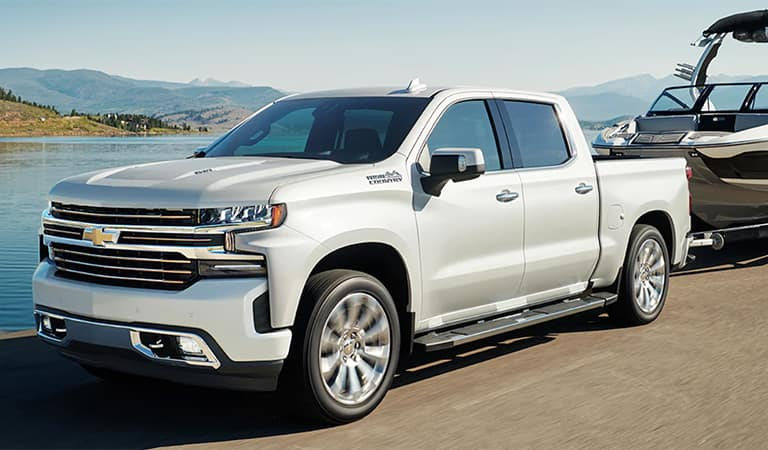
Kalispell is known for outdoor activities such as hunting, fishing, and camping. And the Chevy Silverado has always been the top option for off-road adventures like these. It’s muscular, capable, and reliable. However, in the full-size pickup segment, the Silverado faces stiff competition from familiar brands. If you’re not sure which pickup truck to buy, this comparison will help you pick the right option. Here, we’ll compare the 2023 Chevy Silverado 1500 against, the Toyota Tacoma, and the Ford F-150. Chevy Silverado 1500 vs. Toyota Tundra Both the Chevy Silverado 1500 and the Toyota Tundra offer a variety of engine options to suit different needs and preferences. The Silverado's base engine is a 2.7L turbocharged four-cylinder that produces 310 horsepower and 430 lb-ft of torque. If you need more power, three V8 engine options are also available with a maximum output of 420 horsepower on the 6.2L V8 engine. The Tundra's standard engine is a 3.5L i-FORCE V6 that produces 359 horsepower and 405 lb-ft of torque. This engine is also available in a hybrid version, the i-FORCE MAX, which produces a combined 437 horsepower and 479 lb-ft of torque. The Tundra also offers a 3.5L V6 that produces 389 horsepower and 479 lb-ft of torque. In the towing department, the Silverado can tow up to 13,300 pounds of weight, while the Tundra can tow only up to 12,000 pounds. The Silverado also has a slightly higher payload capacity, with up to 2,280 pounds, compared to the Tundra's 1,940-pound payload capacity. The base model Silverado starts at $35,600, while the base model Tundra starts at $42,295. The top-of-the-line Silverado can cost up to $67,600, while the top-of-the-line Tundra can cost up to $69,195. If we’re talking capability, performance, and value for money, we’ll definitely opt for the Silverado. Check Out Our 2023 Chevrolet Silverado 1500 Inventory. Chevy Silverado 1500 vs. Ford F-150 When it comes to sheer towing prowess, the Silverado flexes its muscles, capable of dragging up to 13,300 pounds, outmuscling the F-150's 12,000-pound limit. This enhanced towing capability makes the Silverado a more versatile choice for those who frequently haul heavy loads. Beyond towing prowess, the Silverado also excels in ride comfort. Its suspension is designed to deliver a smoother, more cushioned ride, providing a more pleasant driving experience compared to the F-150's stiffer suspension. This is particularly noticeable on rougher roads, where the Silverado maintains its composure while the F-150 can feel jarring and unsettled. Stepping inside, the Silverado's interior looks and feels more posh. The use of higher-quality materials, along with a wider range of available features, elevates the Silverado's cabin to a more upscale level. This contrasts with the F-150's interior, which feels more functional and simple. Additionally, the Silverado offers a more diverse range of engine options, catering to a broader spectrum of needs and preferences. This includes a fuel-efficient turbocharged four-cylinder engine for those prioritizing economy, as well as a powerful turbo diesel option for those seeking maximum torque and towing performance. In contrast, the F-150's engine lineup is more limited, with less emphasis on fuel efficiency. However, the 2023 Ford F-150 shines by offering a wider range of engine options including a hybrid powertrain. The Silverado has a slightly more affordable price range than the F-150. The base model Silverado starts at $35,600, while the base model F-150 starts at $36,000. The top-of-the-line Silverado can cost up to $67,600, while the top-of-the-line F-150 can cost up to $81,000. Find Work Trucks in Our Inventory. Cars for Sale Kalispell, MT If you’re looking for new and used cars for sale in Kalispell, Montana, head to Corwin Motors Kalispell Chevrolet! Our experienced and knowledgeable sales team can help you find the perfect Chevy truck for your needs and budget. We also offer a variety of financing options to make it easy to get the truck you want. Head to Corwin Motors Kalispell Chevrolet today and test drive the Chevy truck of your dreams! We serve customers in Missoula, Butte, Bozeman, Great Fall, Helena, Havre, Cut Bank, Libby, Ronan, Polson, Flathead County, Lake County, Mineral County, Lincoln County, Glacier Park, Idaho, Spokane, and the Greater Spokane Area. Browse Our Used Vehicles Inventory.

What’s Included in the Annual Maintenance Cost of a Chevy Traverse?

Owning a Chevy Traverse means having a spacious and capable vehicle that’s perfect for family trips, commutes, and everything in between. However, like all vehicles, regular maintenance is necessary to ensure it continues to run smoothly for years to come. Understanding the annual maintenance costs of the Traverse can help you prepare for what to expect and keep your vehicle in top condition. In this article, we’ll break down what’s included in the typical annual maintenance cost for a Chevy Traverse, covering routine maintenance, brake, tire, and suspension upkeep, and any unexpected repairs or part replacements that may arise. Routine Maintenance: Oil Changes, Filters, and Fluid Checks One of the most important aspects of maintaining your Chevy Traverse is keeping up with routine maintenance. This includes oil changes, replacing filters, and performing fluid checks, which are all essential for the engine’s performance and longevity. Oil Changes Regular oil changes are crucial to keeping any engine running smoothly. For the Chevy Traverse, it’s recommended to change the oil every 7,500 miles or every six months, depending on driving conditions. The cost for an oil change typically ranges from $50 to $100, depending on whether you choose conventional or synthetic oil. The Traverse uses a larger engine, so synthetic oil is often the preferred choice for optimal performance. Air and Cabin Filters In addition to changing the oil, the air and cabin filters should be replaced periodically. These filters keep the engine running cleanly and ensure the air inside the vehicle stays fresh. On average, air filters cost between $20 to $50, and cabin filters are usually priced around $30 to $60. Both of these are typically replaced every 15,000 to 30,000 miles, depending on your driving environment. Fluid Checks The various fluids in your Traverse, including coolant, brake fluid, transmission fluid, and power steering fluid, all need to be checked and topped off regularly. This is usually done during routine service appointments. If any of the fluids are low or dirty, they will need to be replaced, which can add anywhere from $50 to $200 to the annual maintenance cost, depending on the fluid and the amount required. Keeping the fluids at optimal levels helps prevent engine wear, overheating, and issues with the transmission or brakes. Brake, Tire, and Suspension Maintenance Beyond routine fluid changes and filter replacements, there are other maintenance areas that will need attention throughout the year, especially as your Traverse racks up the miles. These include brakes, tires, and suspension maintenance. Brake Maintenance Brakes are a critical safety component, so keeping them in good condition is a top priority. Over time, brake pads wear down and may need to be replaced, which is a common maintenance task for any vehicle. For a Chevy Traverse, brake pad replacement typically costs between $150 to $300 per axle, depending on the quality of the pads and whether you choose to replace both the front and rear sets. Additionally, rotors may need to be resurfaced or replaced, which can add another $200 to $400 to the cost, depending on the condition of the rotors. In general, brake pads should be replaced every 30,000 to 50,000 miles, but if you drive in heavy traffic or do a lot of stop-and-go driving, you might need to replace them more often. Regular brake inspections are a good idea to catch any wear early. Tire Maintenance Your tires are the only contact your Chevy Traverse has with the road, so maintaining them is vital to the vehicle’s performance, safety, and fuel efficiency. Tire rotations are usually performed every 6,000 to 8,000 miles to ensure even wear. This service typically costs between $20 to $50, but it’s often bundled with an oil change or other routine maintenance. Additionally, tires will need to be replaced every 40,000 to 70,000 miles, depending on the tire brand and your driving habits. The cost of replacing all four tires for a Chevy Traverse typically ranges from $400 to $800, depending on the brand and type of tire you choose. Rotating the tires regularly can help them last longer, so keep this maintenance task on your radar. Suspension Maintenance The suspension system plays a key role in providing a smooth ride and handling. Over time, components like shock absorbers, struts, and control arms may need attention. If you notice a rougher ride, squeaking noises, or poor handling, it could be time for suspension maintenance. Replacing struts or shock absorbers can cost anywhere from $300 to $700 per axle, depending on the parts and labor involved. Unexpected Repairs and Part Replacements While routine maintenance and regular upkeep help prevent many problems, there’s always the possibility of unexpected repairs or part replacements. These can include issues with the engine, transmission, electrical system, or other parts that wear out over time. Transmission Issues The transmission is a vital part of your Chevy Traverse, and while it’s generally reliable, transmission problems can arise, particularly if the vehicle has a higher mileage. Issues like slipping gears, rough shifting, or a grinding noise could indicate a problem. If you need a transmission repair or replacement, the cost can range from $1,500 to $4,000 or more, depending on the severity of the problem and whether the transmission needs to be replaced entirely. Electrical System Repairs The electrical system in your Traverse controls everything from the lights to the infotainment system. If you experience issues like a malfunctioning battery, electrical shorts, or problems with sensors, these can be costly to fix. Depending on the repair, electrical issues can cost anywhere from $100 to $1,000, especially if a major component like the alternator or wiring needs to be replaced. Other Parts and Repairs As your Traverse ages, other parts like the exhaust system, fuel pump, or power steering may require attention. While these repairs aren’t always predictable, setting aside a budget for unexpected repairs is a good idea, especially if you plan on keeping your Traverse for the long haul. A good rule of thumb is to expect to spend anywhere from $200 to $500 annually on unexpected repairs or part replacements. Conclusion The annual maintenance cost of a Chevy Traverse can vary depending on how much you drive, your maintenance practices, and whether you encounter any unexpected issues. Routine maintenance like oil changes, brake inspections, and tire rotations typically cost a few hundred dollars per year, while more significant repairs or part replacements can add to the total cost. By staying on top of regular maintenance and addressing issues early, you can keep your Chevy Traverse running smoothly and help extend its lifespan. While unexpected repairs can be a part of vehicle ownership, keeping a maintenance schedule and being proactive about your Traverse’s care can minimize these costs and help ensure that your SUV remains reliable for years to come.

2023 Chevy Silverado

2023 Chevy Silverado High Country vs. Competitors

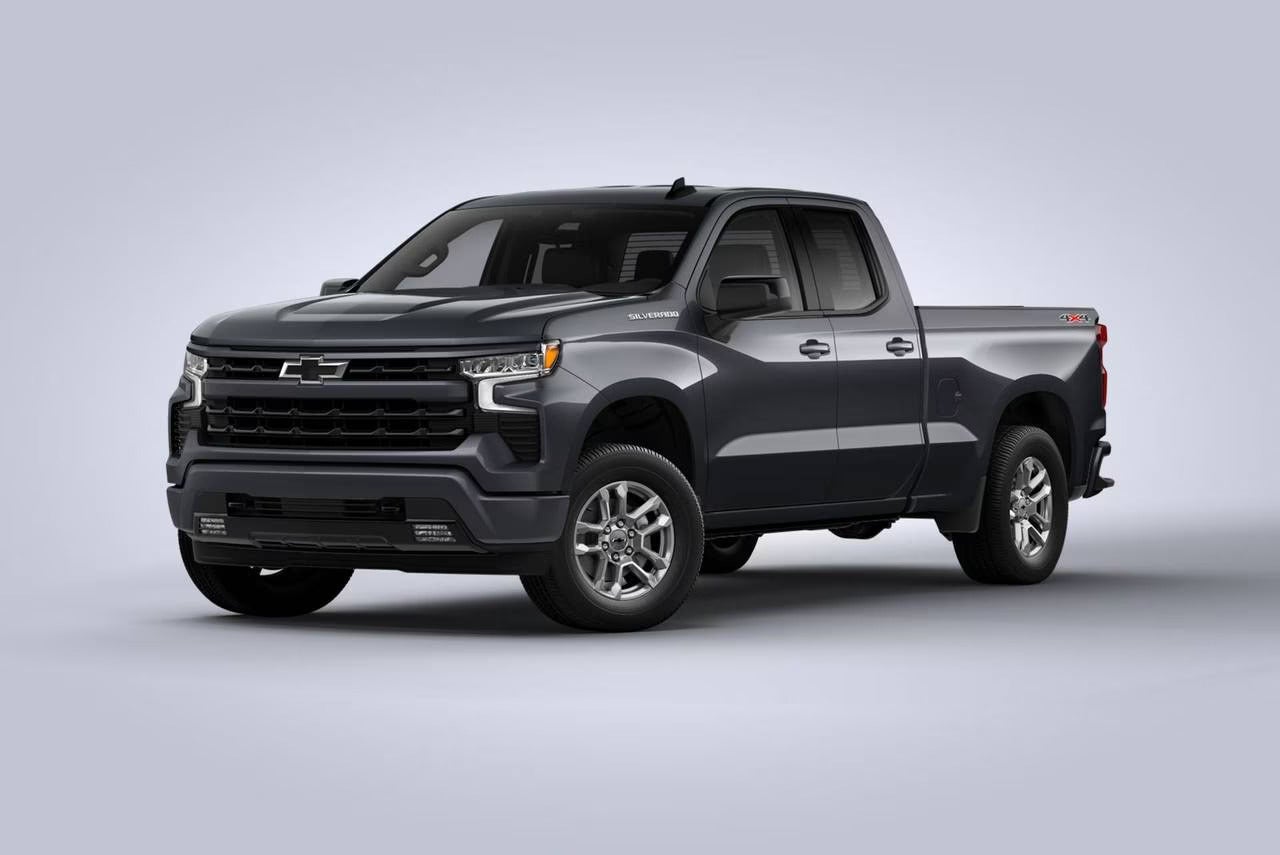
The Chevy Silverado High Country is the top-of-the-line trim level of the Silverado 1500 pickup truck. It is known for its powerful engine, luxurious cabin, and long list of standard features. But how does it compare to its main competitors, the Ford F-150 Platinum, Ram 1500 Limited? Chevy Silverado High Country vs. Ford F-150 Platinum, Ram 1500 Limited The following table provides a quick overview of the key differences between the Chevy Silverado High Country and its main competitors: Feature Chevy Silverado High Country Ford F-150 Platinum Ram 1500 Limited Pricing Starts at around $58,000 Starts at around $60,000 Starts at around $62,000 Exterior Design Bold and aggressive Modern and stylish Upscale and luxurious Interior Features High-quality materials and finishes Comfortable and spacious Opulent and luxurious Performance Powerful and efficient engines Powerful and capable Powerful and smooth-riding Towing and Payload Fapacity Best-in-class towing capacity Excellent towing and payload capacity Best-in-class payload capacity Standard Safety Features Automatic emergency braking, forward collision warning, lane departure warning, lane keep assist, blind spot monitoring, rear cross traffic alert, adaptive cruise control, and high beam assist Automatic emergency braking with pedestrian detection, forward collision warning with brake support, lane departure warning, lane keep assist, blind spot monitoring with cross-traffic alert, adaptive cruise control with stop-and-go capability, and automatic high beams Automatic emergency braking with pedestrian detection, forward collision warning, lane departure warning, lane keep assist, blind spot monitoring with cross-traffic alert, adaptive cruise control with stop-and-go capability, and automatic high beams Chevy Silverado High Country The Chevy Silverado High Country is the top-of-the-line trim level of the Silverado 1500 pickup truck. It's a beast of a machine, with a standard 6.2L V8 engine that roars to life like a lion. The Silverado High Country can tow up to 13,300 pounds, making it the best-in-class towing champion. On the inside, the Silverado High Country is a luxurious oasis. The cabin is trimmed in premium materials and finishes, and the heated and ventilated front seats are like sitting on a cloud. The standard 10.2-inch touchscreen infotainment system is easy to use and packed with features. Ford F-150 Platinum The Ford F-150 Platinum is the top-of-the-line trim level of the F-150 pickup truck. It's a modern and stylish truck that's perfect for both work and play. The standard 3.5L EcoBoost V6 engine delivers plenty of power and torque, and the F-150 Platinum can tow up to 14,000 pounds, making it another best-in-class towing champion. On the inside, the F-150 Platinum is a tech-lovers paradise. The standard 12-inch touchscreen infotainment system is massive and easy to use. The Bang & Olufsen sound system delivers immersive sound quality, and the wireless charging pad makes it easy to keep your devices charged. Ram 1500 Limited The Ram 1500 Limited is the top-of-the-line trim level of the Ram 1500 pickup truck. It's an opulent and luxurious truck that's perfect for those who want the best of the best. The standard 5.7L Hemi V8 engine is a powerhouse, and the Ram 1500 Limited has a best-in-class payload capacity of 2,300 pounds. On the inside, the Ram 1500 Limited is a first-class experience. The cabin is trimmed in premium materials and finishes, and the heated and ventilated front seats are like sitting in a luxury sedan. The standard 12-inch touchscreen infotainment system is easy to use and packed with features. Why Choose the Chevy Silverado High Country If you’re looking for a truck with a bold, aggressive look and a commanding view of the road, the High Country is definitely an option you’ll want to consider. With its powerful engine, luxurious cabin, and long list of standard features, the Silverado High Country is the perfect truck for work, play, and everything in between. How Much Is a Chevy Silverado High Country? The starting MSRP for the 2023 Chevy Silverado High Country is $58,000. However, the actual price of a Silverado High Country will vary depending on the trim level, options, and dealer markup. For example, a Silverado High Country with a crew cab and short bed will start at around $58,000. However, a Silverado High Country with a crew cab, long bed, and all of the available options could cost upwards of $70,000. Find a Chevy Truck at Corwin Motors Kalispell Chevrolet. Corwin Motors Kalispell Chevrolet is your one-stop shop for all things Chevy trucks. We have a wide selection of Chevy trucks to choose from, including the Silverado High Country, Silverado 1500, Silverado 2500HD, Silverado 3500HD, Colorado, and Blazer. Our experienced and knowledgeable sales team can help you find the perfect Chevy truck for your needs and budget. We also offer a variety of financing options to make it easy to get the truck you want. Head to Corwin Motors Kalispell Chevrolet today and test drive the Chevy truck of your dreams! We serve customers in Missoula, Butte, Bozeman, Great Fall, Helena, Havre, Cut Bank, Libby, Ronan, Polson, Flathead County, Lake County, Mineral County, Lincoln County, Glacier Park, Idaho, Spokane, and the Greater Spokane Area. Browse Our Chevy Trucks Inventory.